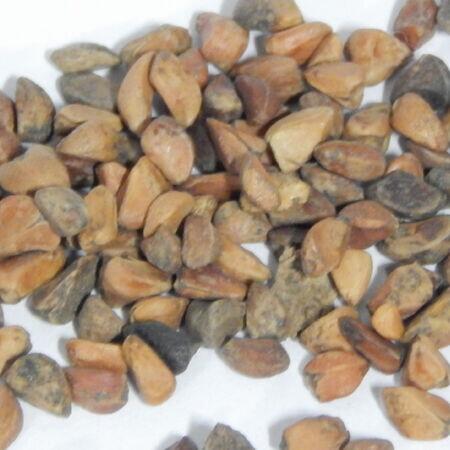
blue roses seeds Midnight Blue Rose Seedlings Flower Seeds Perennial Growing Bonsai Corms  Tubers Potted Planting Reblooming Fragrant Garden Roots Rhizomes Species  Blooms Plant Bulbs Gardening Tree
SKU: 7303746902
blue roses seeds

blue roses seeds Midnight Blue Rose Seedlings Flower Seeds Perennial Growing Bonsai Corms Tubers Potted Planting Reblooming Fragrant Garden Roots Rhizomes Species Blooms Plant Bulbs Gardening Tree

Sale price$18.62 Regular price$20.69
Save 10%

Pay in installments of $5.17 with ShopPay, AfterPay and Klarna

Shipping Estimate
USA
  • USA
  • CAN

Ships within 48 hours · Estimated delivery Jul 2 - Jul 7

Promo Codes Available:

For Your Every Summer RSVP, with Code: SUMMER15

Description

blue roses seeds Midnight Blue Rose Seedlings Flower Seeds Perennial Growing Bonsai Corms Tubers Potted Planting Reblooming Fragrant Garden Roots Rhizomes Species Blooms Plant Bulbs Gardening TreeAbout this item How to Grow Roses from Seeds Step 1: Treat Rose Seeds Rose seeds need a much longer germination period than many flowers. If you arent careful, this extended moist storage can lead to the growth of molds that can threaten young rose seedlings. To prevent fungus spores from growing, you can destroy them with hydrogen peroxide. Add one half tablespoon of 3% hydrogen peroxide to one cup of water and soak the seeds in this solution for an

About this item

  • How to Grow Roses from Seeds

    Step 1: Treat Rose Seeds
    Rose seeds need a much longer germination period than many flowers. If you aren’t careful, this extended moist storage can lead to the growth of molds that can threaten young rose seedlings.
    To prevent fungus spores from growing, you can destroy them with hydrogen peroxide. Add one-half tablespoon of 3% hydrogen peroxide to one cup of water and soak the seeds in this solution for an hour.                                                                                                                                                                                      Step 2: Cold Germinate Seeds (Stratification)                                                        The natural rose germination process takes a few years. First, the rose hip needs to break down and decompose. After the seeds are fully exposed, they must undergo a period of stratification.Rose seed germination relies on a climate that experiences cold, moist winter months. You can simulate this winter environment using your home refrigerator.Place the rose seeds evenly spaced on a damp paper towel. Be sure to avoid overcrowding. Cover them with another layer of moist paper towels and seal the seeds in a plastic bag.Place the bag of seeds in a clean, empty crisper drawer. It would be wise to first sanitize the drawer with bleach and hot water to prevent mold contamination.Ensure the seeds remain moist throughout the entire stratification process. Add more clean water whenever they start to feel dry.Leave the seeds in the refrigerator for at least two months or until you are ready to sprout them.                                                                                                                                                                                                                     Step 3: Warm Germinate Rose Seeds
    Once the stratification process is complete, you can germinate rose seeds as you would other flowers. It is crucial to bring the seeds out of refrigeration into conditions warmer than 70 degrees.
    Ensure the seeds remain damp and leave them in a warm environment until they sprout. This can take up to a month, and it is likely that not all seeds will germinate.                                                                                                                                                                                                                                                  Step 4: Plant Rose Sprouts
    Add moistened seed-starter soil mix to seedling trays. Make a slight indentation for the rose seeds in each cell.
    The tiny tendrils that emerge are roots and must be handled very carefully. Gently remove the rose sprouts from the paper towel and place them root down in the seed trays.
    Cover the seeds with moist soil and leave the seed trays on a sunny windowsill. Use a clean spray bottle to mist the rose seedlings when they start to feel dry.
    For the best results, consider using Hoss Tools Deluxe Seed Starting Kit. This kit includes a 24-cell seed starting tray with a dome lid, seed-starter soil mix, fertilizer, and more.                                                                                                                                                                                                                                  Step 5: Transplant Rose Seedlings
    As the rose seedlings grow, pay close attention to the seed leaves so you know when to transplant. Wait until the true leaves develop, which take on the typical rose leaf appearance.
    Gently loosen the dirt from the tray cells and slide the seedlings free. Move them to individual containers and let them continue to grow for about a year before you transplant them outdoors.

  • Caring for Young Rose Plants

    Give your rose seedlings the support they need to grow strong stems and lush foliage. Add half-strength fertilizer to each planting location.
    Not all fertilizers are equal. Use a high-quality blend like Dry Fertilizer for guaranteed results.

    • How long does it take to grow a rose from seed

      Growing roses from seeds is a lengthy process. Without proper stratification, it can take multiple years for seedlings to emerge.
      Even the fastest-growing roses will likely take two full growing seasons to produce beautiful blooms.

    • Do roses grow true to seed

      Heirloom rose varieties grow true to the parent plants, while hybrid varieties are less predictable.
      The task of growing roses from seeds is very involved. For this reason, most gardeners prefer to grow roses from cuttings.
      If you want to experiment with cross-breeding unique roses, then you need to grow them from seed.
      To get predictable results, you must control pollination. This will ensure that your homegrown roses will grow true to color.

    • How to grow roses

      All you need to know about growing roses, in our detailed Grow Guide.Roses are some of the most beautiful and versatile garden plants. They come in a variety of forms, from patio roses to shrub roses, ramblers and climbers. Nearly all of them make an excellent cut flower. Single-flowered roses are great pollinator plants, while some species are used by leafcutter bees to make their nests. Most roses need sun and heavy soils to thrive, but some will grow well in partial shade and poorer soils. There really is a rose, or three, for every garden.Key points about growing roses
      Most roses thrive in full sun.Roses need rich, moist but well-drained soil.Water roses regularly so the soil stays moist but not waterloggedRoses are hungry plants. Mulch annually with organic matter such as well-rotted animal manure, and consider using a rose feed to promote flowering in summer.Prune roses annually to promote healthy growth, control the shape and encourage flowering
      Plant bare-root roses from November to March. Container-grown roses can be planted at any time of year.

    • How to grow shrub roses

      Shrub roses and English roses come in a huge range of sizes and colours ââââ‚?some can grow to 2m in height. Shrub roses are typically robust, healthy, repeat-flowering plants offering colour when other shrubs have finished flowering. Some shrub roses have a good fragrance, but if you want a scented shrub rose then English roses are for you. Shrub roses and English roses are perfect for growing in a mixed border, large container or as part of a rose garden. Some can also be trained as climbers or used to grow into a hedge.

    • How to grow climbing roses

      Climbing roses are the perfect plants to add height to a garden, without being too vigorous. There are climbing roses available in all the popular rose categories ââââ‚?hybrid tea roses, bourbons and English roses. Choose from double or single flowers, thornless or scented. Climbing roses can be grown up house walls, along garden fences, over pergolas or up large obelisks.

    • How to grow rambling roses

      Rambling roses are often confused with climbing roses. Ramblers are far more vigorous than climbers, and bear one fantastic flush of flowers, usually in June, followed by colourful hips. Climbing roses often repeat flower and have larger flowers.Rambling roses need plenty of space as they grow quickly. They’re ideal for growing up a tree or tumbling over a wall. They're perfect for covering an eyesore in the garden, such as an unsightly shed or out-building.A rambling rose looks great growing up into a tree, especially an apple tree, providing flowers after the apple blossom fades but before the fruits form. In this video guide from Gardeners' World, Monty Don shows you how to plant two different rambling roses ââââ‚?'Wedding Day' and 'Sander's White'. He details what conditions a rambling rose needs, how to prepare the soil, and how deep to plant it so it settles in well over autumn and gets off to a good start in spring. You'll also find out how far from the tree to plant the rose and how to encourage it to climb up the tree.

    • How to grow patio roses

      Patio roses are small enough to grow in pots. They are compact in habit and thrive in lighter soils than many other rose types. Patio roses are not as long lived as other types of rose, but they're easy to manage and remain compact if hard-pruned each spring.

    • How to grow ground cover roses

      Ground cover roses have a trailing or spreading habit. They're ideal for growing in a container, at the front of a border or on steep banks. Many are modern introductions have good disease resistance. If given the right conditions, ground cover roses can suppress weeds.

    • Roses to grow by colour

      Roses come in a huge variety of colours. Browse our lists of roses by colour, below, for the best one for your garden:
      Pink roses to grow
      Purple roses to grow
      Yellow roses to grow
      Beautiful red roses to grow
      Orange roses to grow

    • Growing roses in pots

      It's possible to grow roses in pots, meaning you can grow roses in even the smallest gardens. While all but rambling roses can be grown in pots, shorter growing bush varieties, or ‘patio roses', are ideal. They’ll do best in large, deep containers ââââ‚?an absolute minimum of 50cm in diameter and the same in depth ââââ‚?to keep their roots cool and moist during summer.In hot, dry weather, soak the compost every two to three days, and feed regularly.

    • What to grow with roses

      Many plants can be grown with roses to great effect. Climbing roses work well grown with clematis. Rambling roses can be trained to grow up a tree. Patio roses work well with a variety of other plants suitable for growing in pots, while shrub roses can be grown in a mixed ornamental border, alongside nepeta, lavender and other herbaceous perennials.

    • When to plant roses

      The best time to plant roses is in autumn, when the soil is warm and the water table is at its highest. Roses will establish quickly before becoming dormant, and then burst into life again in spring. Roses come as potted plants or as bare-root plants (sold without soil on the roots). Technically, you can plant a potted rose at any time of year and a bare-root rose from October to March, but autumn remains the best time to plant roses.

    • How to plant roses

      Plant roses in a well-prepared hole with added compost to improve soil structure and aid water retention. Back-fill with soil and firm in well, then water thoroughly.In this Gardeners' World programme clip, Monty Don shows you how to plant shrub roses. Watch as he plants the yellow-flowered, myrrh-scented rose 'The Pilgrim' in the Cottage Garden at Longmeadow. He explains how to prepare the soil and dig the hole, how and why you should add mycorrhizal fungi, and what rose care to provide to ensure the rose settles in well.

    • How to plant bare-root roses

      Planting bare-root roses during the dormant season is cheaper than planting container-grown roses, because the growers don't need to water and feed the plants when they're dormant, and they weigh less and take up less room when shipping. What's more, there's a far greater selection of bare root roses available to buy than container-grown roses, giving you more choice.You can plant bare-root roses at any time between October and the end of March, but planting them in autumn helps them establish more quickly because the soil is still warm from summer, and is typically moist.

    • Pruning roses

      Pruning is essential for the overall health, vitality and appearance of roses. Winter is the key time to cut back most varieties, except rambling roses, which are pruned in summer immediately after flowering.The basic principles of pruning are the same: cutting back hard will promote the strongest growth, while light pruning will result in less vigour. The other basic rules include cutting to an outward-facing bud to prevent compacted growth, and removing closely positioned stems that might rub or compete for space. Also remove stubby ‘snagsââââ‚?(short, dead lengths of stem with no growth on them) and thin, twiggy stems, which are unlikely to produce anything worthwhile in terms of growth and flowering potential.

    • Growing roses: problem-solving

      Roses suffer from many problems, including black spot, aphids, die-back and bloom balling. In this Quick Tips video, Richard Jones explains why you shouldn't worry about leafcutter bees damaging your rose leaves:Find more solutions to rose growing problems, below.
      Rose problems solved
      Trouble-free roses
      How can I stop die-back on roses?
      Rose black spot
      Rose bloom-balling

    Why Seedsplant ?

    • Experts in the field
    • Family owned and operated - 100 years
    • Rigorous quality control
    • We strive for your success by offering the bulb size you need
    • Affordable quality

    Flower Bulb Facts of Life

    Bulbs: Beauty In a Bottle:

    Bulbs are a natural product. And, as such, follow a natural cycle of growth and rebirth. Enjoying their fabulous flowers means planting ahead in one season then results the next. Bulbs are among the easiest flowers to grow, not only are they affordable, but bulbs offer the most stunning colors available. Even the most novice gardener can create a breathtakingly beautiful spring garden with bulbs.

    What's a Bulb?

    A flower bulb is really a self-contained flower factory. Within this marvelous little package is nearly everything the flower needs to come to life! Split a bulb open, for instance, and you'll see its baby flower bud, leaves, roots, stem and food supply. All bulbs need from you is to be placed in the ground at the appropriate season of year, given a liberal drink of water then left to work their magic.

    Variety:

    Flower bulbs come in seemingly limitless varieties which makes them perfectly suitable for any garden design you can dream up.

    Is It a bulb ?

    The Difference Between Bulbs, Corms, Tubers, Roots,Today, people commonly us the term 'bulb' to refer to any plant that stores its own food underground. But, in truth, many popular 'bulbs' are not true bulbs at all. These include corms, tubers and roots and, while they all produce beautiful flowers, technically the plants are different

    When To Plant

    In fall, after soil temperatures are below 50ºF/10ºC. These bulbs bloom the following spring and require the cold winter temperatures for development. But let's say winter arrives and your bulbs are still in their bag. Not to worry! Bulbs are pre-programmed to grow so even if you have to plant through snow, plant your bulbs!

    How To Plant

    Most bulbs thrive in either full or partial sun and in almost any location with good drainage. Avoid planting at the base of hills or under drainage pipes where water collects and will rot the bulbs.

    • Dig a hole
    • Drop in the bulb
    • Water thoroughly

    Tips For success

    • A larger grouping of flower bulbs are far more fab than just a few planted here and there. Think clumps of color.
    • Buy the largest bulbs you can find.
    • Note the flowering times. Not all bulbs will bloom at the same time. A little planning will greatly increase the number of months you will enjoy bulb flowers.

    Passionate About bulbs

    Generally speaking, the best predictor for gardening success is bulb size. Almost always, the larger the initial bulb size planted, the larger and stronger the plants will be, producing more flowers. The first year end result will be noticeable to anyone.The best predictor for gardening success is bulb size.

    Shipping

    All items are shipped usually within 2 working days (usually sooner) except plug plants. Plants only dispatch Monday-Thursday to avoid problems with live plants sitting in a postal depot over the weekend. During busy periods , due to the nature of product and extra care needed when packing and preparing for post, please allow up to 7 days for delivery (depending on day purchased). Plants are only dispatched when crops are ready to travel , therefore some multi orders may be delivered separately and occasionally it may be necessary to hold back dispatch until plants are ready. Shipping is either via Post  or 24/48 Hour courier depending on order size/weight etc. at our discretion. Please be patient when ordering plants as you cannot rush nature. Please be aware delivery dates shown by Seedsplant are estimates only and do not apply to live plant orders. Any orders returned to us by Post or Courier will incur a further postage charge to resend.

    Returs

    You may return all unopened items within 14 days of delivery for a full refund less P&P charges. Any items received damaged in transit must be notified in writing/email within 24 hours of receipt. Live plants should arrive in perfect condition , If however for some reason they do not please contact us immediately upon receipt. A full refund including original P&P will be made for any items not as described or wrong part no etc. All returns must include your full details with a copy of original receipt. You may cancel any transaction as long as notice is received before item(s) are / have been dispatched.

    Contact us

    You can message us through Seedsplant messages , otherwise You can write to us by email :[email protected]

    Shipping Notes
    • Free Standard Shipping on $100+ Orders to the USA.
    • Except Preorder products are shipped in 48 hours.
    • Delivery to the USA:
    1. Standard Shipping : 3-10 business days
    • If time is of the essence, please consider selecting expedited delivery for faster service.
    Exchange/Return Notes
    • We offer a 30-day return/exchange service after receiving.
    • Final sale items are not eligible for returns or exchanges.
    • To process your return/exchange, please contact us at [email protected]
    • Please click here for more details>>> Return & Exchange Policy
    SKU: 7303746902

    Discover Niche Categories That Outsell blue roses seeds

    Top-Converting Item to Boost Your Average Order

    4.2 ★★★★★
    Based on 363 reviews
    Sort
    Highest Rating
    Newest First
    Oldest First
    Product Reviews
    L
    Verified Purchase
    Lavid
    West Palm Beach, US
    ★★★★★ 5
    Un libro que debes leer!
    Format: Paperback
    El tema del liderazgo cristiano es vital dentro de la Iglesia. La lectura del libro In the Name of Jesus: Reflections on Christian Leadership, hace un aporte significativo a mi entendimiento teológico acerca del liderazgo. Como líderes podemos edificar o destruir vidas; ayudar a otros a que avancen o frenarlos en su jornada de fe; servir de inspiración o dejar huellas de dolor en la vida de otras personas; mostrarles el camino a otros o perdernos en el camino. El autor hace una pregunta que creo que es muy oportuna y puntual en nuestra vida: ¿Qué decisiones has estado tomando últimamente y cómo son un reflejo de cómo percibes el futuro? Ciertamente no había reflexionado en ello. Cada día tomamos decisiones desde el momento en que abrimos los ojos, si ya me levanto, qué voy a desayunar, qué ropa me voy a poner, etc. Pero no había analizado si mis decisiones diarias me están acercando a lo que Dios tiene para mí o si me tienen estancada en mi pasado. Una de las cosas que ha llamado mi atención en la lectura de este libro es que el autor dice que llegó a un punto en su vida donde comenzó a sentir una terrible amenaza interna y se cuestionó si el hacerse ya mayor en edad lo había acercado más a Jesús. Quiero detenerme aquí, porque una líder que ha influenciado mi vida es mi madre. Ella ya tiene 83 años, y continuamente me repite: -Hija, tengo que estar muy cerca de Jesús, ya casi llega mi hora y quiero poder encontrarme con Él cara a cara. Puede uno entrar a su cuarto y la hallarás en su sillón con su Biblia abierta y orando o cantando alabanzas a Dios. Ella se preocupa por guardar su relación con Jesús. ¿Alguna vez, como líderes, estamos preocupados por si estamos muy cerca de Dios? ¿O es que quizás nuestro liderazgo nos hace presuponer que sí lo estamos? Estamos tan ocupados en la viña del Señor que se nos olvida ocuparnos del Señor de la viña. El autor reconoce que en esa etapa de su vida ya no oraba con pasión, sino que lo hacía bastante mal, se había aislado de las personas y se dio cuenta de que su alma estaba en peligro. Vino a mi mente Mateo 16:26 (NTV) “¿Y qué beneficio obtienes si ganas el mundo entero pero pierdes tu propia alma? ¿Hay algo que valga más que tu alma?” O como Pablo les dice a la Iglesia en Corinto: “no sea que habiendo predicado a otros, yo mismo sea descalificado.” 1 Corintios 9: 27 (b) Creo que si reflexiono teológicamente me debería preguntar: ¿Tengo la seguridad de lo que vale mi alma? ¿Podré yo quedar descalificada ante Dios en algún área de mi vida? ¿Está mi alma en peligro? Henri J.M Nouwen desmenuza la tentación de Jesús y nos muestra tres tentaciones que como líderes y ministros enfrentamos frecuentemente. La primera a la que se refiere es la Tentación de ser Relevante y su base es cuando el diablo le pide a Jesús que convierta las piedras en pan. Hoy hay muchos que quieren ser “relevantes a toda costa”, aunque eso signifique ir más allá de nuestros principios y cambiar por completo el Evangelio. Cada vez que escucho a un predicador diciendo que “pacte” con cierta cantidad de dinero para recibir un milagro, me indigno en gran manera porque algo que Jesús ofreció gratuitamente al pagar con Su sangre, ahora los “grandes predicadores de estos tiempos” lo han convertido en negocio. ¿Estaremos provocando que Jesús voltee nuestras vidas como hizo con las mesas de los cambistas del templo? Se nos olvida que Jesús es quien tiene que ser relevante para el mundo y que tenemos que reflejar la luz de Cristo. Hoy vivimos pendientes de cuántos seguidores tenemos en las redes sociales, cuántos likes tienen nuestras publicaciones. Por eso decía al principio, que podemos perdernos en el camino. Nouwen se inquietó de que su ineficaz oración y la tiranía de lo urgente lo estuviera empujando a reprimir al Espíritu Santo. David sabía lo que significaba andar sin el Espíritu Santo como compañero, por eso clamó en el Salmo 51: 11 “No me eches de delante de ti, Y no quites de mí tu santo Espíritu” Coincido con el autor cuando expresa que los líderes del futuro serán aquellos que se atrevan a reclamar su irrelevancia en el mundo contemporáneo como una vocación divina que les permita entrar en una profunda solidaridad con la angustia que subyace a todo el brillo del éxito y traer la luz de Jesús allí. El autor nos hace reflexionar en la pregunta que Jesús le hace a Pedro. ¿Me amas más que estos? No le preguntó acerca cuánta gente lo conocía, a cuántos había impactado. La pregunta era relacional: ¿me amas a mí? Por lo tanto la pregunta para nosotros sería, ¿estoy enamorada de Jesús? Nouwen declara que el líder del futuro es uno que conoce el corazón de Dios. Cuando no estamos ligados al corazón de Dios porque nos falta esa intimidad con Él, somos más propensos a que el anhelo por la fama, por ser exitosos, se apodere de nosotros y nos desenfoque de nuestro llamado. Conocer el corazón de Jesús y amarlo son lo mismo. Cuando vivimos en el mundo con ese conocimiento del corazón de Jesús, no podemos hacer más que traer sanidad, reconciliación, nueva vida y esperanza donde quiera que vayamos. Seguido a la pregunta tan desafiante, viene una tarea importantísima: apacienta mis ovejas. Mi corazón se estremeció, pues a pesar de conocer este relato y haberlo predicado varias veces, esta vez el enfoque del autor me hizo reflexionar en que muchas veces se nos olvida que hemos sido llamados a apacentar las ovejas, que tenemos una responsabilidad pero por tratar de ser relevantes no la estamos cumpliendo a cabalidad. El autor aborda ahora el tema de la oración contemplativa como una disciplina importante para el cristiano. La oración contemplativa profundiza en nosotros el conocimiento de que ya somos libres, que ya hemos encontrado un lugar para morar, que ya pertenecemos a Dios, a pesar de que todo y todos los que nos rodean siguen sugiriendo lo contrario. Nouwen lanza una pregunta que es confrontante: ¿Son los líderes cristianos del futuro verdaderamente hombres y mujeres de Dios, personas con un ardiente deseo de morar en la presencia de Dios, escuchar la voz de Dios, mirar la belleza de Dios, tocar la Palabra encarnada de Dios y saborear plenamente la bondad infinita de Dios? Aunque está mirando hacia los líderes del futuro, mi preocupación es también por nosotros, los líderes actuales. Si no vivimos una vida de oración no vamos a poder enseñarle a los líderes del futuro cómo avivar ese deseo ardiente de permanecer en la presencia de Dios. Anoche en el servicio de oración de la iglesia, yo les hablé acerca de cuando Dios decide poner fin a Sodoma. Dios se pregunta: ¿Encubriré yo a Abraham lo que voy a hacer, habiendo de ser Abraham una nación grande y fuerte, y habiendo de ser benditas en él todas las naciones de la tierra? Pienso entonces: ¿qué nivel de intimidad tenía Abraham con Dios que éste no quiere encubrirle sus planes? La respuesta la da el mismo Dios: “Porque yo sé que mandará a sus hijos y a su casa después de sí, que guarden el camino de Jehová, haciendo justicia y juicio, para que haga venir Jehová sobre Abraham lo que ha hablado acerca de él.” Dios sabía que Abraham iba a preparar a su descendencia como líderes del futuro. La oración es llamada “la cenicienta” de la iglesia. Para muchos no es relevante; sin embargo, es lo que alimenta nuestra alma y define quiénes somos en Dios. Para vivir de pie delante de los demás, debo vivir de rodillas delante de Dios. La segunda tentación es la de ser espectacular. Hoy la mayoría de los cristianos quieren ser parte de los ministerios de la iglesia que son más visibles: alabanza, predicar detrás de un púlpito, ministerio de danza. Pocos prefieren estar en el grupo de intercesión, o en los servidores, o ser de los que limpian el templo. El mismo Nouwen dice que actuamos como si la visibilidad y la notoriedad fueran los criterios principales del valor de lo que estamos haciendo. La popularidad ha reemplazado lamentablemente la verdadera esencia del ministerio. Somos especialistas en dar shows domingueros, no en adorar a Dios los domingos. Somos especialistas en luces que impresionan en los stages de las iglesias, pero no somos luz que alumbra en medio del pecado. Somos especialistas en buscar las mejores voces para que canten en nuestro servicio, pero no en que nuestra voz produzca cambios en otros. La propuesta de Nouwen para tratar esta tentación es la confesión y el perdón. Los líderes y ministros deben ser personas siempre dispuestas a confesar su propia fragilidad y pedir perdón a aquellos a quienes ministran. Debemos ser capaces de rendir cuentas. Creo que esto es algo en lo que Wesley enfatizó y que debemos retomar. Hace unos años, para la tesis de graduación, mi esposo Daniel propuso como tema para la misma la rendición de cuentas. Esto causó revuelo en la Facultad, debido a que ellos decían que ese era un tema pasado de moda, que porqué tenemos que decirles a otros nuestras debilidades y nuestras faltas. ¿Qué tanta basura hay en mi vida que tengo temor a que sea expuesta? ¿Será porque dejo de ser relevante y espectacular ante otros? La tentación de ser poderoso es la tercera tentación que menciona Nouwen, y él considera que esta es la tentación más seductora. Ciertamente he visto a gente cambiar drásticamente cuando se les ha sido dada autoridad. El autor considera que a pesar de nuestra experiencia que el poder no nos da la sensación de seguridad que deseo, sino que revela nuestras propias debilidades y limitaciones, seguimos haciéndonos creer que más poder eventualmente satisfará nuestras necesidades. El texto que usa el autor en esta parte es uno de mis textos preferidos en la Biblia, Filipenses 2: 5-8, y me encanta la versión The Message: “Piensen en ustedes como Cristo Jesús pensó de sí mismo. Tenía el mismo estatus que Dios, pero no pensaba tanto en sí mismo que tenía que aferrarse a las ventajas de ese estado sin importar qué. De ningún modo. Cuando llegó el momento, dejó a un lado los privilegios de la deidad y asumió el estatus de esclavo, ¡se convirtió en humano! Habiéndose hecho humano, se mantuvo humano. Fue un proceso increíblemente humillante. No reclamó privilegios especiales. En cambio, vivió una vida desinteresada y obediente y luego murió una muerte desinteresada y obediente, y el peor tipo de muerte, una crucifixión.” Cristo renunció a todo, pero nosotros lo queremos conservar todo. El autor resalta el hecho de que gran parte del liderazgo cristiano es ejercido por personas que no saben cómo desarrollarse sanamente, sin habilidades relacionales y que han optado por el poder y el control en su lugar. Muchos constructores de imperios cristianos han sido personas incapaces de dar y recibir amor. Por eso es tan importante la disciplina de reflexionar teológicamente. Porque creo que ninguno de nosotros está eximido de enfrentar y de caer en estas tentaciones, así que debemos estar constantemente reflexionando en nuestro liderazgo y en la influencia que estamos teniendo en las personas que nos rodean. El verdadero liderazgo espiritual, según Nouwen, es uno en el que “el poder se abandona constantemente en favor del amor”. ¿Qué tanto estoy dispuesto a ceder por amor a Dios y a mi prójimo? Mis preguntas al terminar este maravillo libro son: ¿Cómo Dios ve mi liderazgo? ¿Cómo veo mi liderazgo? ¿Cómo otros ven mi liderazgo? ¿He permitido que alguna de estas tentaciones venza y gobierne mi vida?
    WAS THIS REVIEW HELPFUL?YesReportShare
    Reviewed in the United States on March 23, 2020
    R
    Verified Purchase
    Rick Watts
    Belleville, US
    ★★★★★ 4
    Great Book for Church Leaders
    Format: Paperback
    In this book, Nouwen describes what he believes the key characteristics of a Christian leader are. These characteristics are guided by two stories for the Gospels: the story of Jesus' temptation in the desert (Matthew 4:1-11) and the story of Peter's call to be a shepherd (John 21:15-19). These characteristics are being prayerful rather than relevant, ministerial rather than popular, and being led rather than being a leader. Nouwen first explains that the temptation of today's ministers is to be relevant. Nouwen says that Jesus also had this same temptation. When Jesus was tempted by the devil in the desert, the first temptation was to turn stones into bread. With so many people in the world dieing of starvation, we all wish at times that we had the power to turn stones into bread. However, when Jesus was asked to perform the relevant behavior of changing stones into bread, he stuck to his mission to proclaim the Word and said, "One does not live by bread alone, but by every word that comes from the mouth of God" (Matthew 4:4). Rather than trying to be relevant to the world, a Christian leader should use Jesus as the source of their words, advice and guidance. It is through the discipline of contemplative prayer that Christian leaders can do that. It is not enough for Christian leaders to be moral people, well trained, eager to help their fellow humans, and able to respond creatively to the burning issues of their time. Christian leaders must truly be men and women of God, people with an ardent desire to dwell in God's presence, to listen to God's voice, to look at God's beauty, to touch God's incarnate Word, and to taste fully God's infinite goodness. The second temptation Nouwen says Christian leaders must avoid is the temptation to be spectacular. This was also Jesus' second temptation in the desert. "Throw yourself from the parapet of the temple and let the angels catch you and carry you in their arms" (Matthew 4:6). Jesus would not do it. He refused to be a stunt man to prove that he had something worthwhile to say. In stead Jesus said "Don't put the Lord your God to the test." Nouwen says that in today's church, individualism among ministers and priests is prevalent. Many do not have many skills to be proud of, but they still frequently feel that, if they have anything at all to show, it is something they must do solo. However, Nouwen says that ministry is not done solo, but in pairs. In Mark 6:7 Jesus sent the discipline out two by two to conquer evil. We cannot preach the Gospel on our own, we are called to share the Gospel together, in community. Nouwen goes on to say that ministry is also mutual. Jesus said, "I am the god shepherd. I know by own and my own know me, just as the Father knows me and I know the Father; and I lay down my life for my sheep" (John 10:14-15). Ministers have gotten the idea that good leadership means keeping a safe distance form those we lead. However, when the members of a community cannot truly know and love their shepherd, shepherding just becomes a subtle way to exercise power over others. Nouwen says that the only way to for us to over come this temptation is confession and forgiveness. This does not mean that ministers should bring their own sins into the pulpit. It means that ministers are called to minister with their whole being, including their wounded selves. The third temptation today's Christian leaders must overcome is the temptation of power. When the devil said to Jesus "All this I will give you if you will bow down and worship me." Jesus replied "It is written: 'Worship the Lord your God, and serve him only" (Matthew 4:9-10). Others say that having power - provided it is used in the service of God and your fellow human beings - is a good thing. Nouwen says that it was this rationalization that caused crusades, inquisitions, and the enslavement of Indians. He says it seems easier to be God than to love God, and easier to control people than to love people. Nouwen says that a common misconception among Christian leaders is that the older and more mature you get then more capable you become as a leader. However, John 21:18 says, "I tell you the truth, when you were younger you dressed yourself and went where you wanted; but when you are old you will stretch out your hands, and someone else will dress you and lead you where you do not want to go." Nouwen says that the most important quality of Christian leadership is not a leadership of power and control, but a leadership of powerlessness and humility. Powerlessness and humility in the spiritual life refer to people who are so deeply in love with Jesus that they are ready to follow him wherever he guides them, always trusting that, with him, they will find life and fine it abundantly. Nouwen says that the way to discern where we are being led by Jesus is through theological reflection. Theological reflection is thinking with the mind of Christ. The Christian leaders of the future have to be theologians, persons who know the heart of God and are trained - through prayer, study, and careful analysis - to manifest the divine event of God's saving work in the midst of the many seemingly random events of their time.
    WAS THIS REVIEW HELPFUL?YesReportShare
    Reviewed in the United States on November 19, 2010
    V
    Verified Purchase
    Victoria
    Fort Morgan, US
    ★★★★★ 5
    Not just for leaders
    Format: Paperback
    Even though this book is geared towards Catholic leaders and I’m not in a management/leadership role, I found the discussion of the temptation of fame, power, and relevance so applicable. It cut to my core. I think we all wrestle with those temptations in some way or another. Definitely one to read again and again!
    WAS THIS REVIEW HELPFUL?YesReportShare
    Reviewed in the United States on July 22, 2023
    P
    Verified Purchase
    Paul A. Spangler
    Battle Creek, US
    ★★★★★ 5
    Henri is a great writer
    Format: Paperback
    Henri's books are often short and very deep. This is one of his best among so many. Worth the read.
    WAS THIS REVIEW HELPFUL?YesReportShare
    Reviewed in the United States on April 25, 2024
    L
    Verified Purchase
    Linda Vecchiarelli
    Houston, US
    ★★★★★ 5
    Spiritual Leadership Insight .
    Format: Paperback
    Excellent book for reflection and wisdom on leadership issues within the church and spiritual communities. Was very inspiring underlined and highlighted so many points in the book which are consistent with my experience appreciate all of the genuine references to the reality of ministering to disenfranchisedv people.
    WAS THIS REVIEW HELPFUL?YesReportShare
    Reviewed in the United States on March 22, 2024

    recommand products